From digital twins in cardiovascular health to digital twins of entire cities: how can we turn promising technology into real-world impact?
Last week, researchers from across the EWUU alliance came together at TU/e for the Preventive Health Community Day on Digital Twin Technology and Health Applications, organised together with the Eindhoven Artificial Intelligence Systems Institute (EAISI).
The afternoon showed just how broad the potential of digital twin technology is. We explored applications in preventive health, clinical care and healthy living environments from cardiometabolic and cardiovascular health and congenital heart disease to modelling the effects of urban interventions on health and social outcomes.
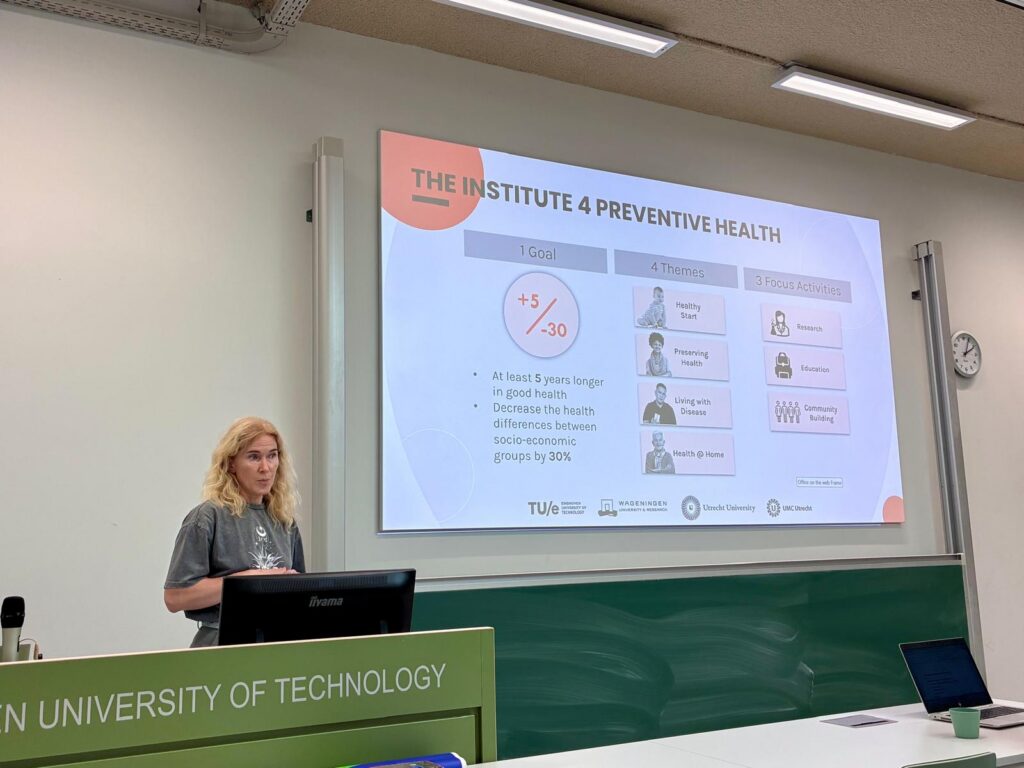
But the conversation went beyond what digital twins can do.During the challenge-based discussion tables, researchers explored a question that is becoming increasingly important: how do we move from digital twins developed in research environments to applications that work in real-life settings?
That transition requires more than technological development alone. It calls for collaboration across disciplines, access to high-quality data, validation in practice and, importantly, attention to the people and communities these technologies are ultimately intended to support.
The discussions around preventive health, healthy spaces and clinical applications highlighted both shared challenges and opportunities for further collaboration across the EWUU universities.
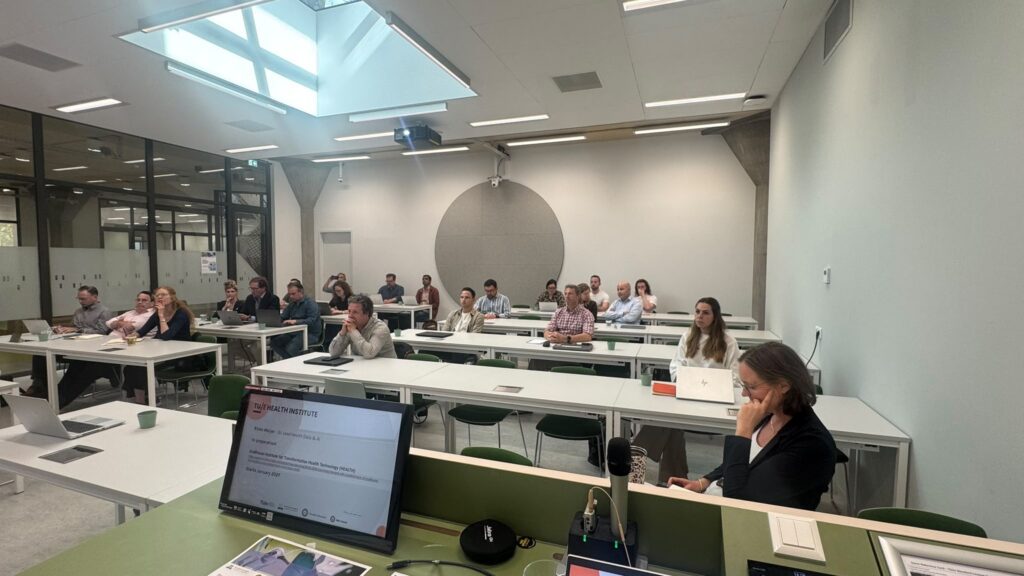
A big thank you to all speakers, discussion leads and participants for sharing their expertise, questions and ideas and to EAISI for organising this Community Day with us.
We look forward to continuing the conversation and exploring where new collaborations around digital twin technology and preventive health can emerge.